
The Library
Everything you need to draft, file, and win – in one place.
Practical guides for California litigators, candid case studies from firms using Legion, and conversations with practitioners on The Litigator’s Path Podcast. Filter by what you need – skip what you don’t.

Featured
How a San Francisco Litigation Firm Reduced Staffing Costs 27% and Increased Profits Using AI
When a key associate unexpectedly left during a period of firm transition, Ad Astra Law Group chose not to rush into a replacement hire. Instead, the firm leaned into AI-powered drafting to close a critical operational gap – improving speed, control, and profitability while delivering better outcomes for clients.
The results: a 27% reduction in staffing costs, complaints drafted in roughly 2.5 hours instead of two days, and discovery turnaround compressed from weeks to days. Managing Partner Katy Young walks through the economics, the change-management lessons, and why "less billing per matter" actually meant a bigger book of business and a more profitable firm.
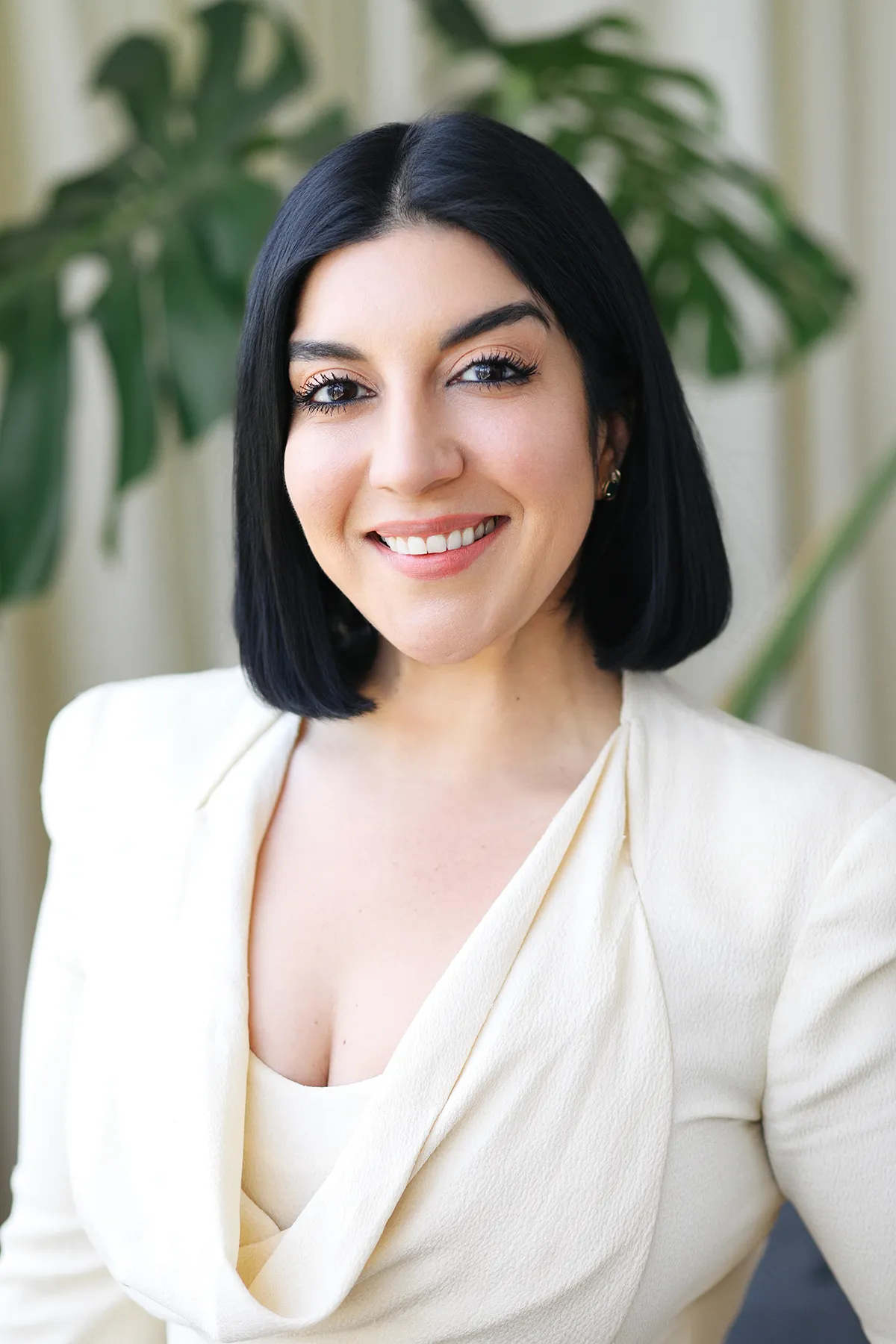
with Katy Young, Managing Partner at Ad Astra Law Group, P.C.
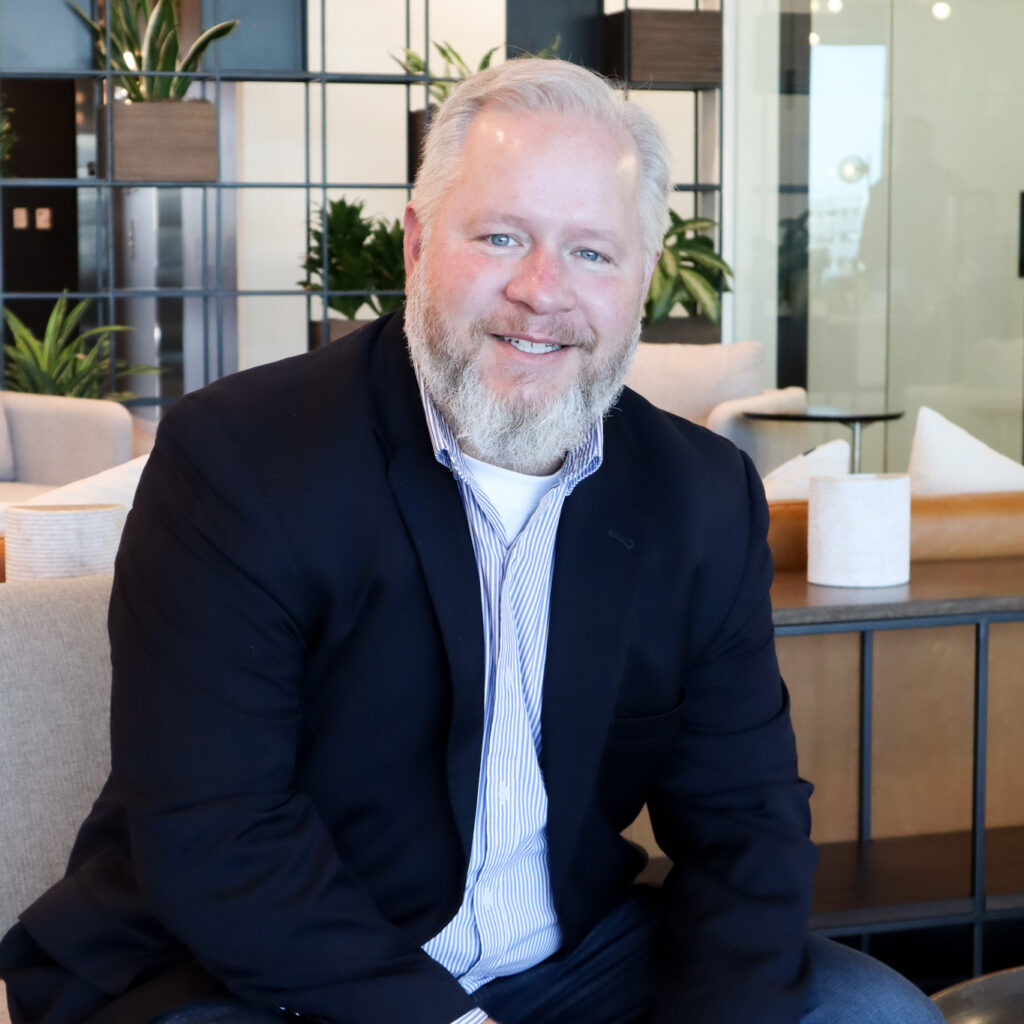
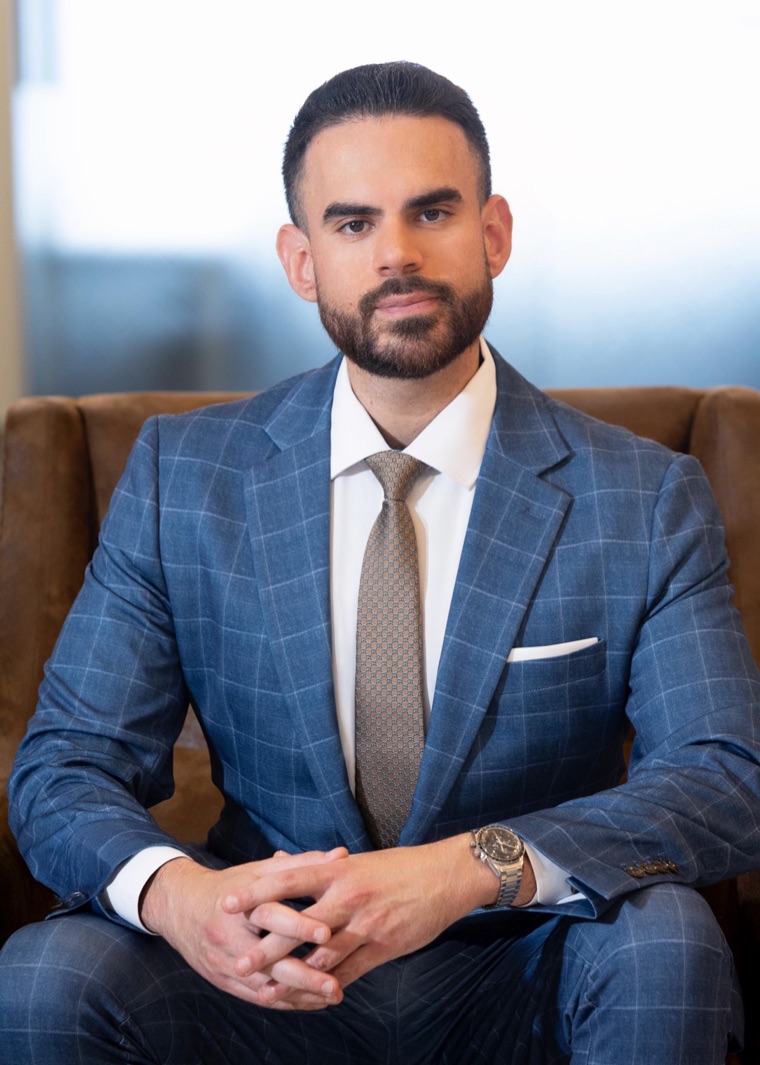




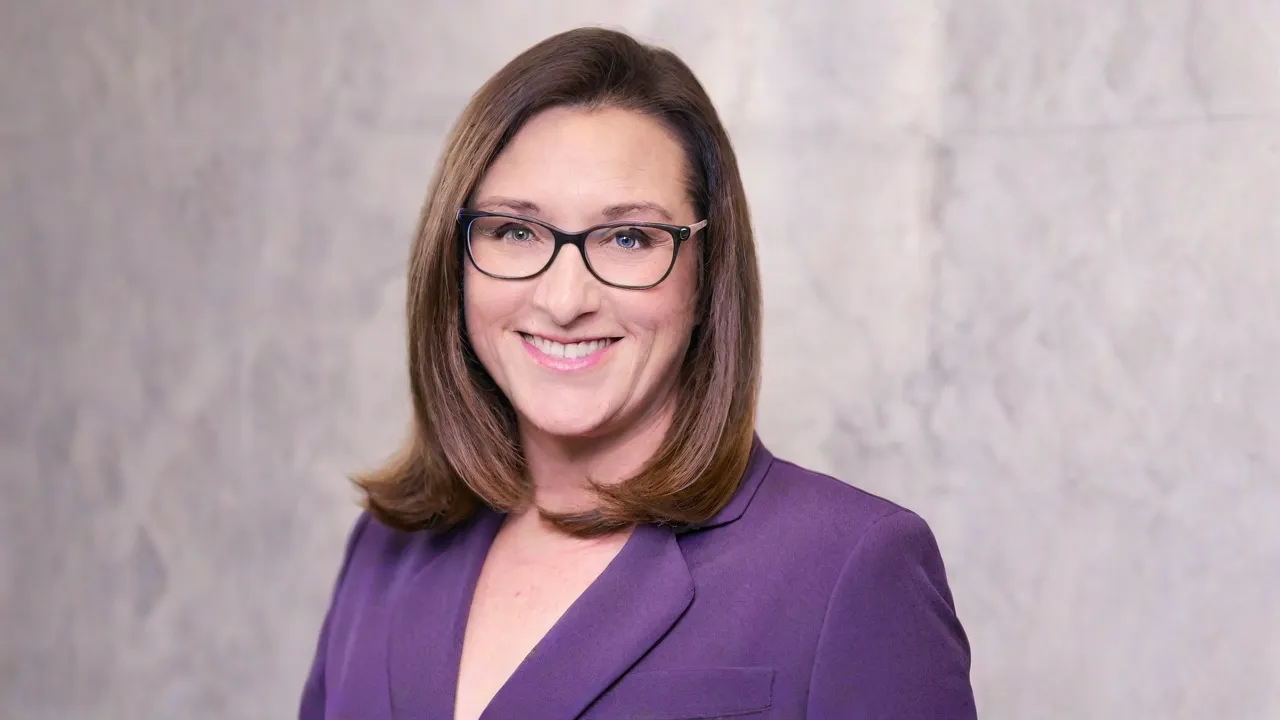






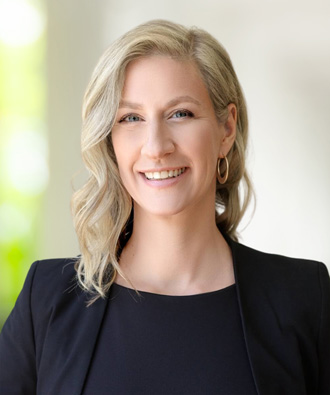












Featured guest
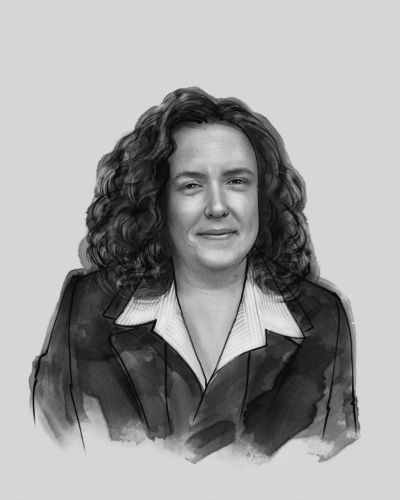
Jody L. Winter
LloydWinter, P.C.
The Litigator’s Path Podcast
Honest conversations with attorneys building modern practices – how they win cases, scale firms, and stay sane doing it.
Browse every episodeShowing 51 of 51

How Legion Checks Citations in CourtListener (and Its Limits)
Legion's assistant, Centurion, does three things with a case citation: it finds the case in CourtListener, confirms the citation points to a real opinion, and reads that opinion before it quotes a word. It does not check whether the case is still good law. This guide walks through each mechanism as built, what CourtListener leaves out, and why Noland, Cervantes, and SB 574 keep the final cite-check with the attorney.
Legion vs Contract Attorneys, Associates, and Paralegals
Legion is drafting labor you hand off, not software you learn. This guide prices one California complaint eight ways, with a contract attorney, an associate, a paralegal, an offshore vendor, your own Saturday, forms, a chatbot, and Legion at $10 a page, using sourced California rates and the drafting hours courts actually allow. It says plainly when each human option is the better pick.
Legion vs Harvey, Briefpoint, AI.Law, and Other Legal AI
Legion is not a legal AI platform, and the search for its competitor usually ends in the wrong aisle. It drafts California litigation documents on pleading paper and charges by the page, so it sits beside Harvey, CoCounsel, Briefpoint, Clio, and ChatGPT rather than against them. This guide says what each tool is for, what it costs with every price labeled published or reported, whether it produces a formatted California pleading, and where the overlap with Legion is real.
30. Jody L. Winter: Flat Monthly Billing for Contested Litigation and the Trillion-Dollar Access to Justice Gap
with Jody L. Winter, LloydWinter, P.C.
Best Legal AI Tools for Litigation in 2026: Honest Comparison
The best legal AI tools for lawyers in 2026 depend on what you litigate, where you file, and what you can spend. This honest comparison pits Harvey, CoCounsel, Midpage, ChatGPT, and Legion against each other on citation grounding, confidentiality, California procedure, and pricing, and explains why filing unverified AI output has already drawn $10,000 in sanctions in California court.
Harvey AI Review: Features, Pricing, and Who It Fits (2026)
Harvey AI is the most heavily funded legal AI platform, with reported pricing near $1,200 per seat per month and 20-seat annual minimums. This Harvey AI review breaks down features, real-world pricing, and competitors like Legora and CoCounsel, and explains why solos, small firms, and California litigation boutiques often get more finished output from usage-based, litigation-specific alternatives.
How to Use AI for Deposition Preparation in California
AI deposition preparation in California is permitted, but it operates inside the State Bar's generative AI guidance and the Code of Civil Procedure's deposition rules. This guide shows how to build an AI deposition outline, analyze transcripts for impeachment material, and war-game objections under CCP § 2025.460, while keeping confidential material out of insecure tools and verifying every output after the Noland sanctions ruling.
PMK Depositions in California: Designating, Preparing, and Defending Under CCP § 2025.230
A PMK deposition in California runs on CCP § 2025.230: the entity must designate and educate witnesses on everything known or reasonably available to the organization, and the seven-hour limit does not apply. This guide covers designating a PMK witness, preparation duties, category objections under § 2025.410, defending the deposition on the record, and how California practice differs from federal Rule 30(b)(6).
ChatGPT for Lawyers: What It's Good At, Where It's Dangerous, and What to Use Instead
ChatGPT for lawyers is a capable drafting assistant and a dangerous research tool. After California's first published appellate opinion addressing AI-fabricated citations, Noland v. Land of the Free, the line matters more than ever. This guide covers the legal tasks ChatGPT handles well, where it creates sanctions and confidentiality exposure, what California ethics rules require, and how it compares to purpose-built legal AI.

Demurrer in California: Grounds and Deadlines
A demurrer in California tests the legal sufficiency of a pleading on its face under CCP § 430.10. This practitioner's guide covers all eight statutory grounds, the CCP § 430.41 meet-and-confer requirements, the 30-day filing deadline and automatic extension, filing mechanics under rule 3.1320, what happens at the hearing, and leave-to-amend strategy for both moving and opposing parties.

How Small Firms Can Adopt AI Safely: A Practical Guide to Policy, Ethics, and Client Disclosure
A practical guide for California small-firm and solo practitioners on adopting AI without tripping over the duties of confidentiality, competence, and candor: why you need a written AI policy, how to choose tools that protect client data, what the California ethics rules require, and how to address AI in your engagement letters with sample clauses you can adapt.
Motion to Compel Deadlines in California: The 45-Day Rule and Every Date After It
The motion to compel deadline in California is 45 days from service of the verified response, extended by 5 or 10 calendar days for mail or 2 court days for electronic service, and a missed deadline waives the right to compel further responses. This guide covers the trigger date, service extensions, written extension agreements, IDC tolling after the repeal of the statewide statute, and every post-filing deadline for opposition, reply, sanctions, and compliance.
29. David Tarras: He Went Solo Against Three Federal Prosecutors in a 9-Week Trial - With AI as His Second Chair
with David Tarras, Tarras Defense
How to Do Anything With AI: The DRAFT Method
Legion's framework for turning the work you dread into work AI does for you. DRAFT - Dread, Recruit, Ask well, Fix, and Template - is a repeatable habit any lawyer can use to get real value out of any AI tool, no prompt-engineering course required.
28. Kyle Smith: Find Your Niche - Building California's Premier Bike Crash Practice
with Kyle Smith, Paceline Law
27. Matthew Letts: AI Should Signal the Death of the Billable Hour, Not the Death of the Lawyer
with Matthew Letts, Codified Strategy

Compelling Deposition Responses Under California Law: Motions to Compel Under CCP § 2025.480
California practitioners face tricky deposition questions and improper instructions not to answer with regularity. This guide details CCP § 2025.480 motions to compel, the Stewart v. Colonial Western framework, the 60-day transcript deadline, and the mandatory sanctions available when defending counsel oversteps.
26. RJon Robins: Your Law Firm Is Not Your Baby – It's Your Mule
with RJon Robins, How to Manage a Small Law Firm
25. Wendy Meadows: Going Solo, Beating Burnout, and Why Lawyer Moms Need More Than Resilience Compliments
with Wendy Meadows, Law Office of Wendy S. Meadows, LLC
24. Katy Young: Running a Law Firm Like a Tech Startup - Scrum, Cannabis Litigation, and AI
with Katy Young, Ad Astra Law Group LLP
CCP 2023.030 & 2023.010: Discovery Sanctions in CA
This practical guide walks California litigators through obtaining discovery sanctions under CCP §§ 2023.010 – 2023.040, including the 45-day deadline, mandatory meet-and-confer requirements, and the incremental approach to terminating sanctions. Includes analysis of City of Los Angeles v. PricewaterhouseCoopers (2024) and a pre-filing checklist.
23. Bob Hartmann: The $4,000 Law Firm - Building a Criminal Defense Practice from Scratch
with Bob Hartmann, Hartmann Law Firm
California Discovery Objections Cheat Sheet
Master California discovery objections with this comprehensive cheat sheet. Learn to draft specific responses, avoid boilerplate, and prevent automatic waivers.
22. Quantum Law Group: Unwinding Premium Finance Fraud from "Free" Life Insurance Scams
with Jonathan Deer, Steven Morris, and Peyman Cohan, Quantum Law Group
CCP 2033.280 & 2033.290: Motion to Compel RFAs
This comprehensive guide walks California litigators through both RFA enforcement mechanisms — the Motion to Deem Matters Admitted under CCP § 2033.280 and the Motion to Compel Further Responses under CCP § 2033.290 — with procedural requirements, deadline calculations, sample language, and critical pitfalls to avoid when enforcing Requests for Admission.
21. Sean Olson: Why Storytelling Beats Billboards When Building a Multi-State Personal Injury Firm
with Sean Olson, Olson Personal Injury Lawyers
CCP 2031.310: Motion to Compel Document Production
This comprehensive guide walks California litigators through the three distinct motions to compel document production—covering statutory requirements, the jurisdictional 45-day deadline, the unique "good cause" burden, and step-by-step instructions for drafting motion papers that succeed.
CCP 2030.290 & 2030.300: Compel Interrogatories
This comprehensive guide walks California litigators through both types of motions to compel interrogatory responses—initial responses under CCP § 2030.290 and further responses under § 2030.300 — with statutory citations, case law, and practical strategies to enforce discovery obligations and avoid procedural pitfalls.
How a San Francisco Litigation Firm Reduced Staffing Costs 27% and Increased Profits Using AI
with Katy Young, Ad Astra Law Group, P.C.
20. Matthew Baker: Why Big Firm Lawyers Must Own Their Careers
with Matthew Baker, Saul Ewing LLP
How to Draft and Negotiate AI Data and IP License Agreements in the United States: A Comprehensive Guide
This comprehensive guide walks attorneys through the seven core areas of AI data and IP licensing agreements: intellectual property ownership, data governance, training data provenance, output ownership, open source compliance, enterprise vs. consumer distinctions, and dispute resolution mechanisms.
19. Elijah McNally: Marketing with Heart - How to Ditch Legal Jargon and Win Clients
with Elijah McNally, Arias Sanguinetti Trial Lawyers
18. Tim Reuben: From Courtroom Battler to Peacemaker - 40 Years in Litigation, Reinventing Mediation, and Writing a Thriller at Cocktail Hour
with Tim Reuben, Reuben, Raucher & Blum
17. Sharon Appelbaum: The Prosecutor's Playbook in Criminal Defense - Getting Ahead of High-Stakes Charges
with Sharon Appelbaum, Appelbaum Law PC
16. Brian Colón: Building a Values-Driven National Firm by Leading with Authenticity
with Brian Colón, Singleton Schreiber
15. Michael J. Ash: "CSI Magic" for Winning Trials - Using Google Earth to Make Juries Understand Property Cases
with Michael J. Ash, Carlin Ward Ash & Heiart LLC
14. Jason Horst: The Pragmatic Pioneer Building a Future-Proof Law Firm with AI
with Jason Horst, Horst Legal Counsel, PC
13. Peter Kalanda: How Law Firms Can Win at Digital Marketing
with Peter Kalanda, Three Horizons Interactive
12. Andre Rembert: What it Takes to Hang Your Own Shingle with $200/Month Overhead
with Andre Rembert, Rembert Law Firm
How to Draft a Complaint in California: A Starter Guide
This starter guide walks you through each element of drafting a California complaint, complete with citations and practical tips to ensure your complaint meets all legal requirements.
11. Chris Lusby: From Detective to Law Firm Owner - Lessons in Hiring, AI, and Building a Resilient Modern Practice
with Chris Lusby, Lusby Law
10. Edward F. Cohn: Criminal Defense from Day One
with Edward F. Cohn, Cohn Justice
9. Peter Bochnewich: The Art of Probate & Trust Litigation
with Peter Bochnewich, Bochnewich Law Offices
8. David Gammill: Building Gammill Law with Prosecutor Trial Skills in Personal Injury and Civil Rights
with David Gammill, Gammill Law
7. Katie Diemer: From Public Defender to Bankruptcy Powerhouse
with Katie Diemer, Diemer & Wei, LLP
6. John Begakis: Building a Modern Entertainment Law Practice from Scratch with Influencers, Flat Fees, and Culture
with John Begakis, AltView Law Group
5. Shireen Hilal: Leveling Up Your Law Firm with Practical Strategies for Growth and Client Engagement
with Shireen Hilal, Maior Consultants
4. Thomas Koster: Finding Your Niche in San Francisco Real Estate Law
with Thomas Koster, Law Office of A. Thomas Koster
3. Garrick Hollander: From Headbands to Bankruptcy Law
with Garrick Hollander, Winthrop, Golubow, Hollander, LLP
2. Beilal Chatila: Starting a Law Practice with $4000
with Beilal Chatila, Chatila Law LLP & Legal Guru
1. Matthew Bourhis: Building Two Plaintiff Side Firms, Choosing the Right Partner, and AI's Impact on Litigation
with Matthew Bourhis, Bourhis Law Group & Golden Gate Legal LLP
Stop researching. Start drafting.
Turn your case files into submission-ready work product in about 30 minutes. Try Legion. Your first document is free.